MOOG D661 Slows Down When Hot: Pump, Valve or Cylinder?
The same movement takes four seconds cold and six seconds hot, while the controller command remains unchanged. Before replacing the D661, distinguish reduced pump delivery from reduced effective cylinder flow and a change in load-driving conditions.
The following uses the same cylinder and direction.
What does four seconds versus six seconds mean?
Assume a 100 mm bore cylinder extending over 200 mm. Filling the full-bore chamber requires approximately 1.571 L. Ignoring fluid compression and cylinder internal leakage:
Cold, four seconds: Q ≈ 1.571 × 60 / 4 = 23.6 L/min.
Hot, six seconds: Q ≈ 1.571 × 60 / 6 = 15.7 L/min.
Effective inlet flow has fallen by approximately 7.9 L/min, or one third. The calculation gives effective chamber flow. Compare the same direction, load and stroke, recording oil temperature. Comparing cold extension with hot retraction introduces the cylinder area difference.
Several axes slow down together
If several mechanisms on the same power unit slow down when hot, examine their common supply. Record pump pressure, speed and delivery at comparable load. Compensator operation, inlet conditions and flow taken by other branches can change available delivery.
For example, pump delivery measured at 32 L/min cold and 23 L/min hot already establishes a supply-side difference of approximately 9 L/min. A D661 on one affected axis does not establish that valve as the cause.
Pump case-drain flow can be supporting evidence only at comparable pressure, speed and temperature, against that pump's limits. Never block case drain to observe pressure or flow.
Only one axis is slow
Applicable D661 versions provide main-spool position feedback. If command is unchanged but hot feedback departs from the cold position, examine valve-terminal power, command, enable, pilot supply and electronic control. A displayed command percentage does not establish achieved spool position.
If feedback remains comparable while speed falls, record supply pressure, both cylinder chamber pressures and return pressure. Reduced available metering pressure drop reduces flow at the same opening. Higher load and return backpressure can consume that pressure allowance.
A pump gauge still showing 160 bar does not establish an unchanged operating point if load and return losses have increased.
Normal spool tracking does not exclude leakage
Feedback measures spool position, not hydraulic sealing. Lower viscosity as oil warms can increase clearance leakage, but temperature and speed alone cannot locate leakage in the pump, valve or cylinder.
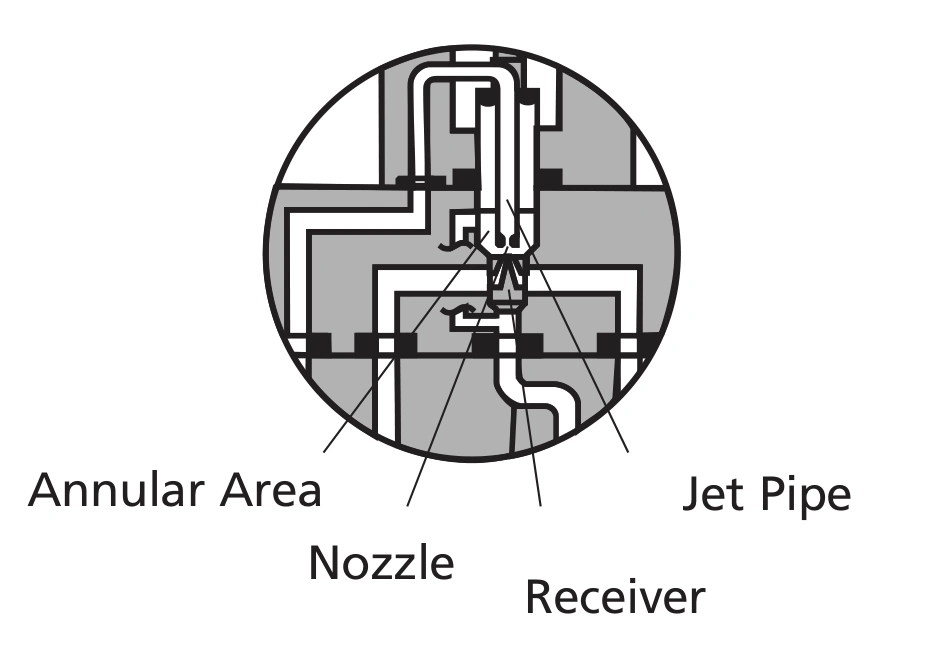
Pilot oil creates the pressure differential that drives the main spool. Normal pilot consumption, main-stage internal leakage and cylinder cross-port leakage are separate measurements.
Cylinder leakage testing requires secured loads, released stored pressure and an appropriate isolation and measurement circuit operated by qualified personnel. Do not loosen pressurized fittings or work beneath unsupported loads.
A verified spare with the same complete configuration can help isolate the fault under controlled replacement conditions. Different flow, pilot or electrical options introduce new variables. The D661-4506 product page identifies a specific assembly, not a universally interchangeable D661.
Useful records without specialist tools
Record cold and hot oil temperature, identical-stroke time, existing gauge readings during motion and whether other axes slow together. Save command and feedback trends already available on the controller, without opening the hydraulic system.
These records narrow the investigation but do not measure leakage. Several axes slowing together directs attention to common supply. Single-axis slowdown with feedback deviation directs attention to drive and control. Normal tracking with reduced effective flow calls for pressure-drop and leakage measurements.